
Peninsular Malaysia Byways
A photographic journey through Malaysia — 2015 onwards
What began in 2015 as a two-year project to explore the 11 states of Peninsular Malaysia soon became something much bigger.
Travelling mainly by car, and deliberately avoiding the expressways and toll roads, I set out to discover the quieter roads, lesser-known places and everyday scenes that are so easily missed when travelling from A to B.
The inspiration came from books, magazines and documentaries about Malaysia, but particularly from the photography and travel writing that opened my eyes to just how much there was still to discover in the country I was living in.
The original plan was to photograph all 11 states over two years. As usual, things didn’t quite go according to plan! There were simply too many interesting places, people and photographic opportunities to fit into two years — so the journey continued.
What follows is a selection of those journeys, photographs and memories from 2015 onwards.
Some are well-known destinations seen from a different perspective; others are the hidden corners, roads and places I discovered along the way.
This is Malaysia as I saw it — photographed, travelled and remembered from the road.
The Tour Begins

The Tour Begins
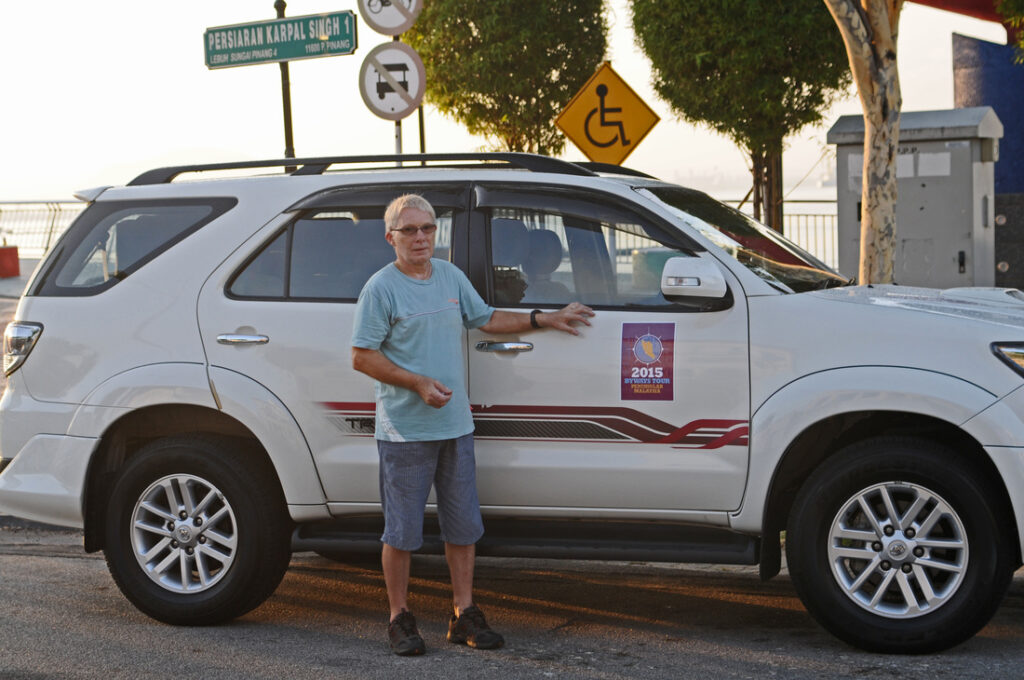
With the car packed and ready, the journey began at dawn from Karpal Singh Drive in Penang. The first stop was the ferry across to Butterworth, before heading north along the quieter roads of Kedah.
North from Penang
Leaving Karpal Singh Drive just after dawn, We took the ferry from Penang to Butterworth and began the drive north into Kedah.
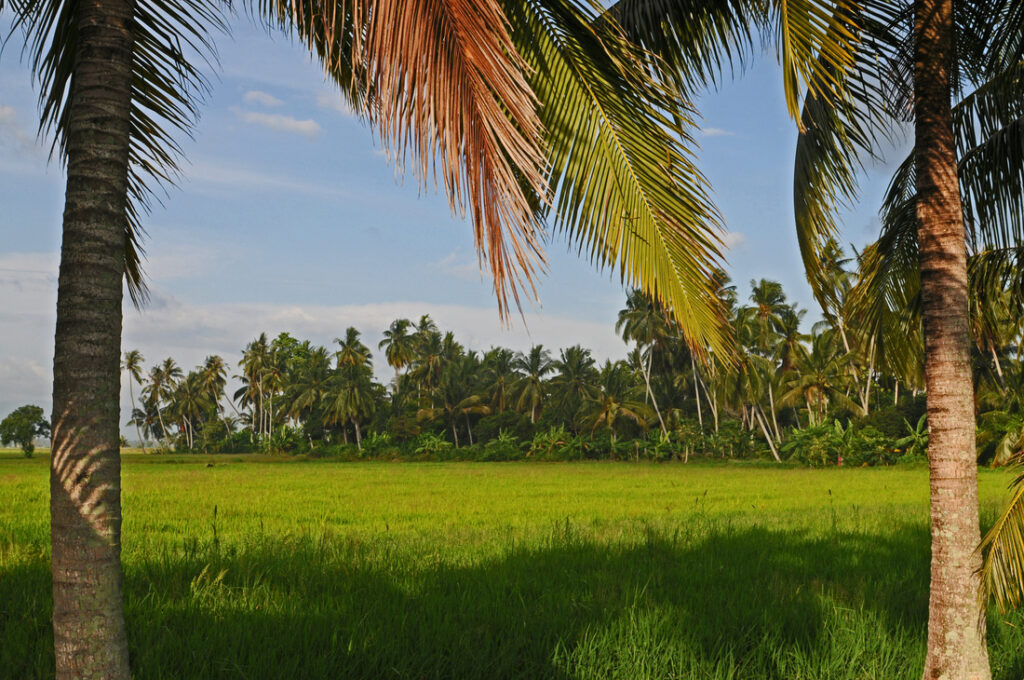
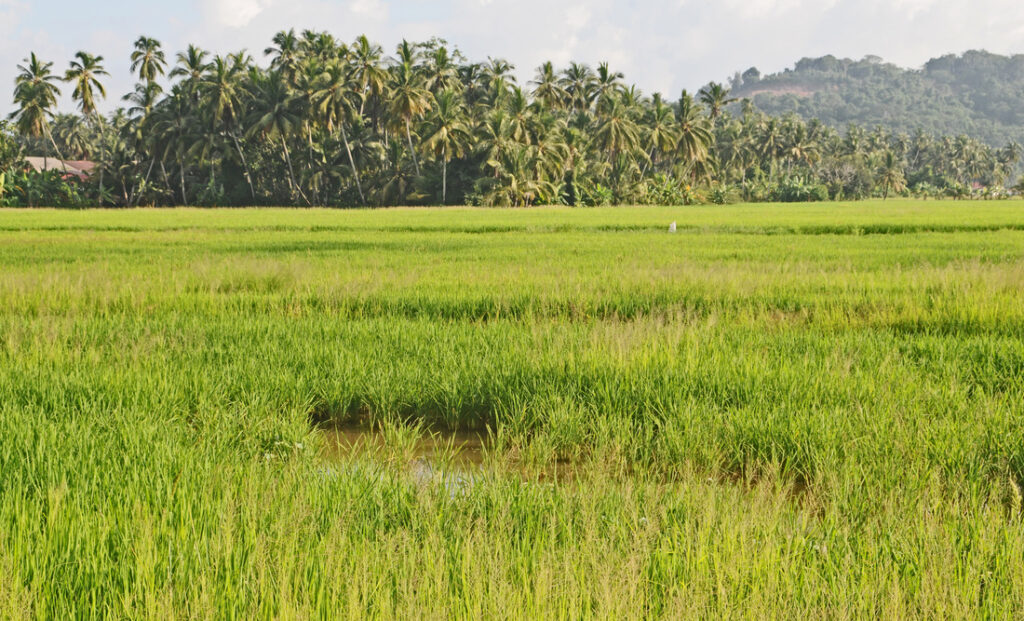
The route followed the old roads through Kuala Muda and Sungai Petani, with stops along the way to explore the quieter places, including the fishing village of Pulau Sayak and the area around Merbok and the Bujang Valley.
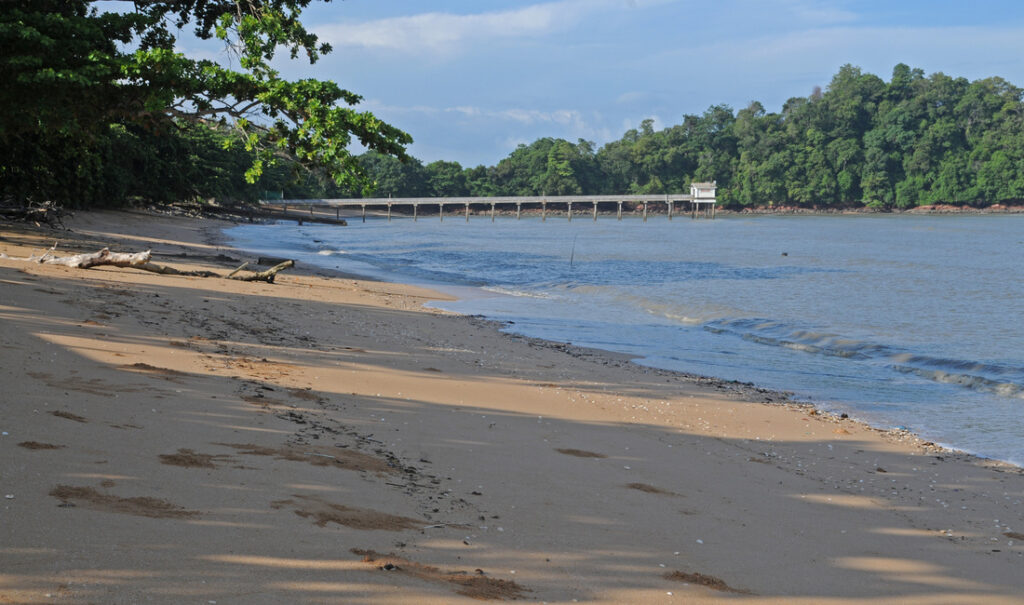
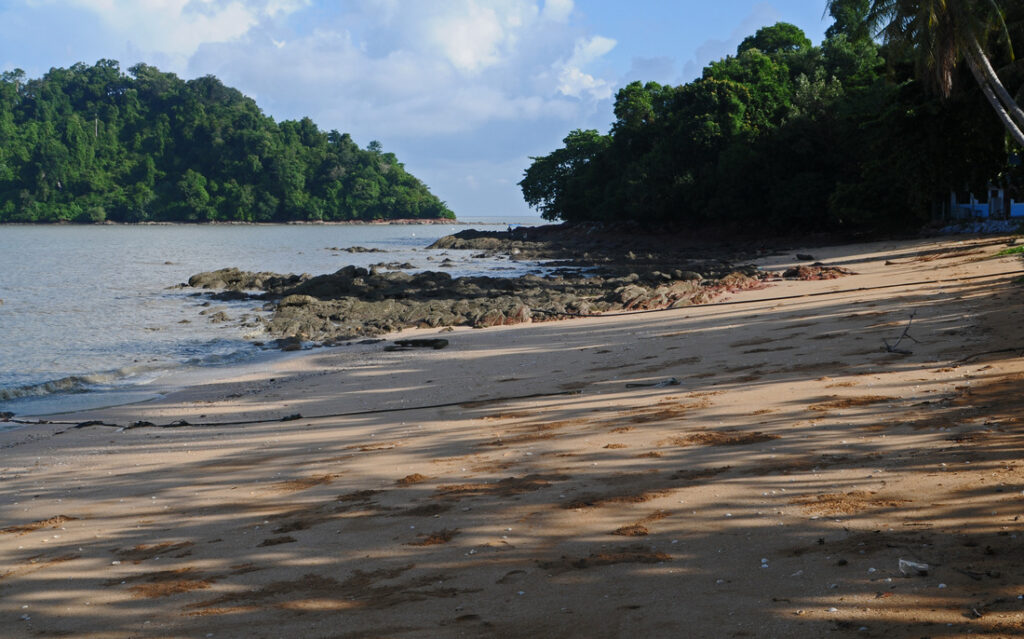
Sungai Petani
Bujang Valley & Bujang Falls
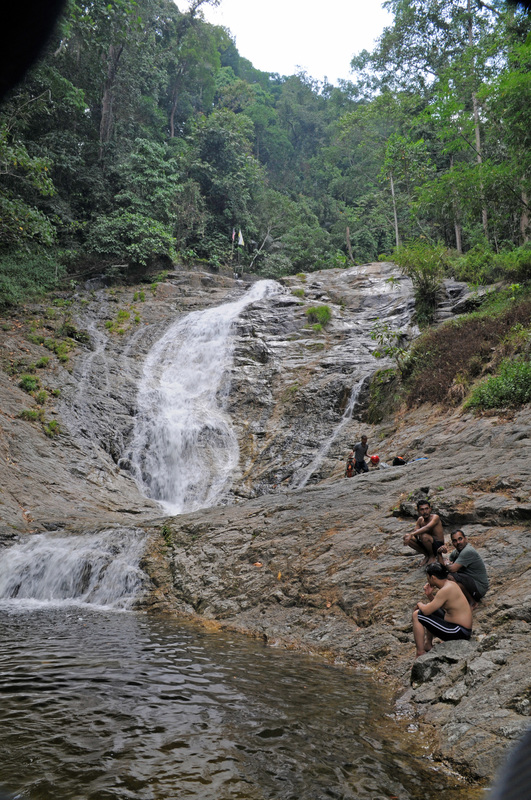
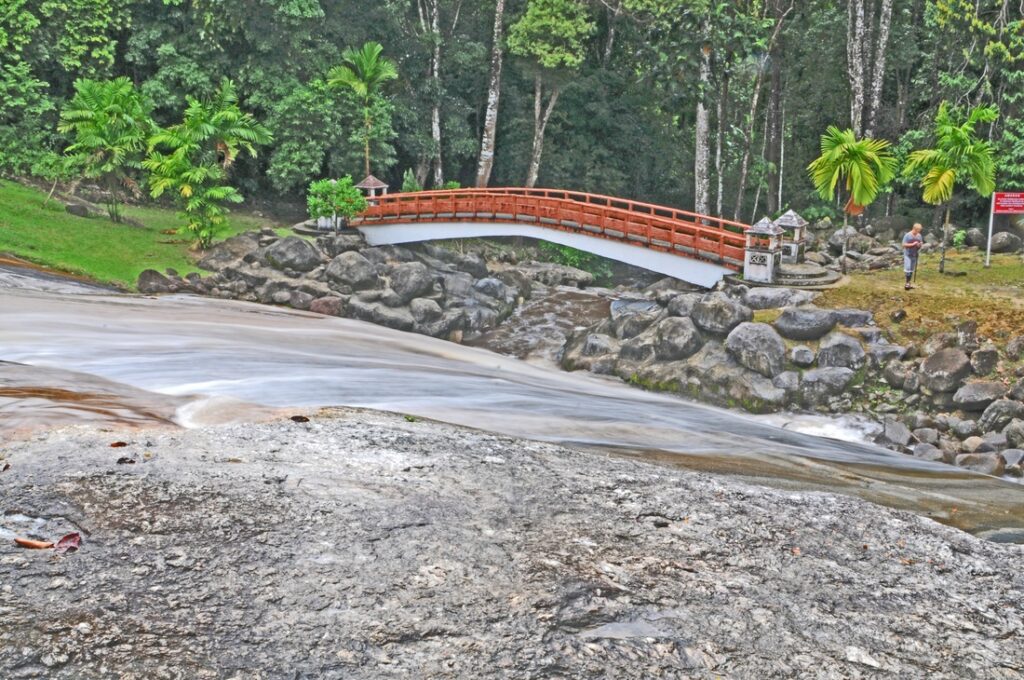
After a nice breakfast stop on the approaches to Sungai Petani, we took Route K1 across the Sungai Merbok and followed the local roads towards Merbok and the Bujang Valley Archaeological Museum and Bujang Falls.
By this time the rain was coming down heavily, but that only added to the volume of water rushing over the falls. They were quite spectacular and well worth the detour. The nearby museum was also interesting, with a small collection of artefacts on display.
The White Elephant — Pulau Bunting Bridge
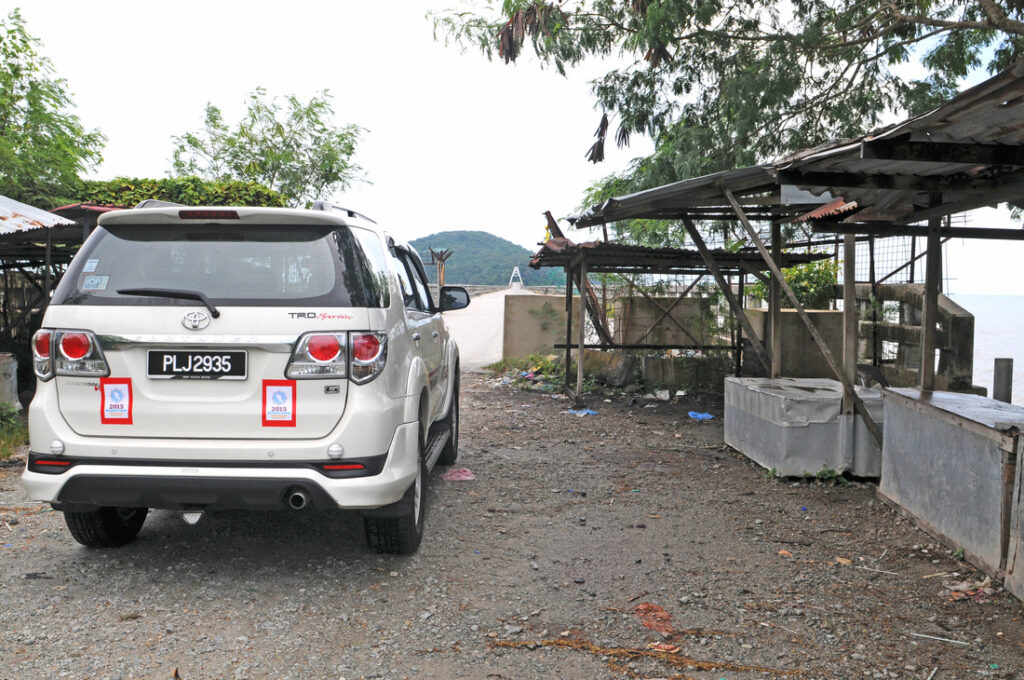
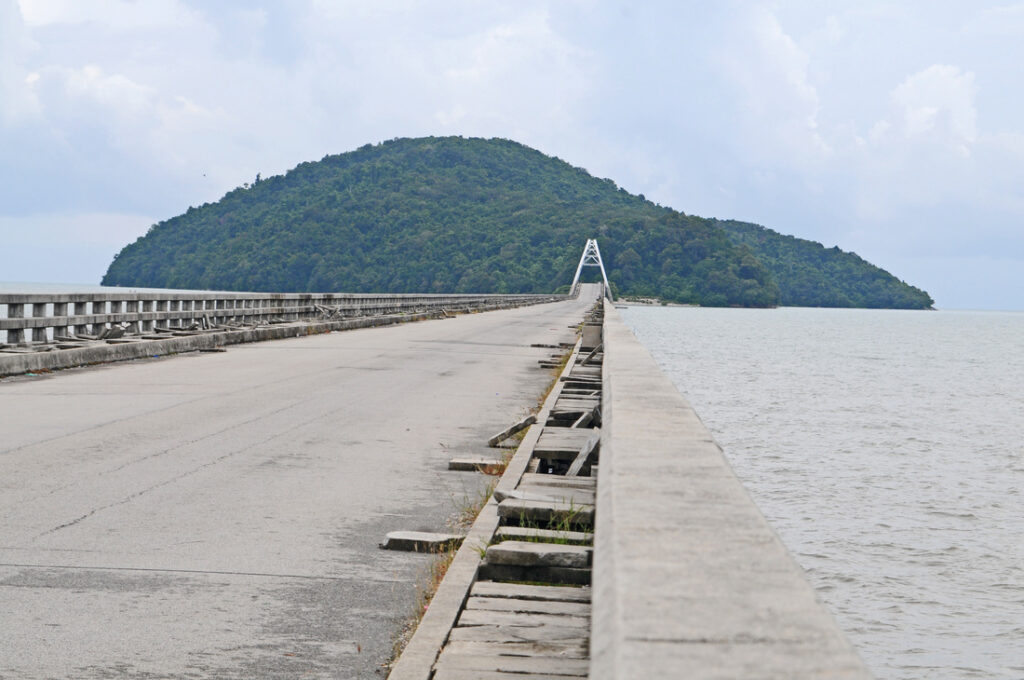
Continuing towards the coast, we followed Route K1 through small kampungs and the towns of Yan and Yan Kechil. At the crossroads we took the local road through Kampung Pantai and Kampung Sedaka Kechil, where, looking north, we caught sight of one of Kedah’s more unusual sights — the Pulau Bunting Bridge.
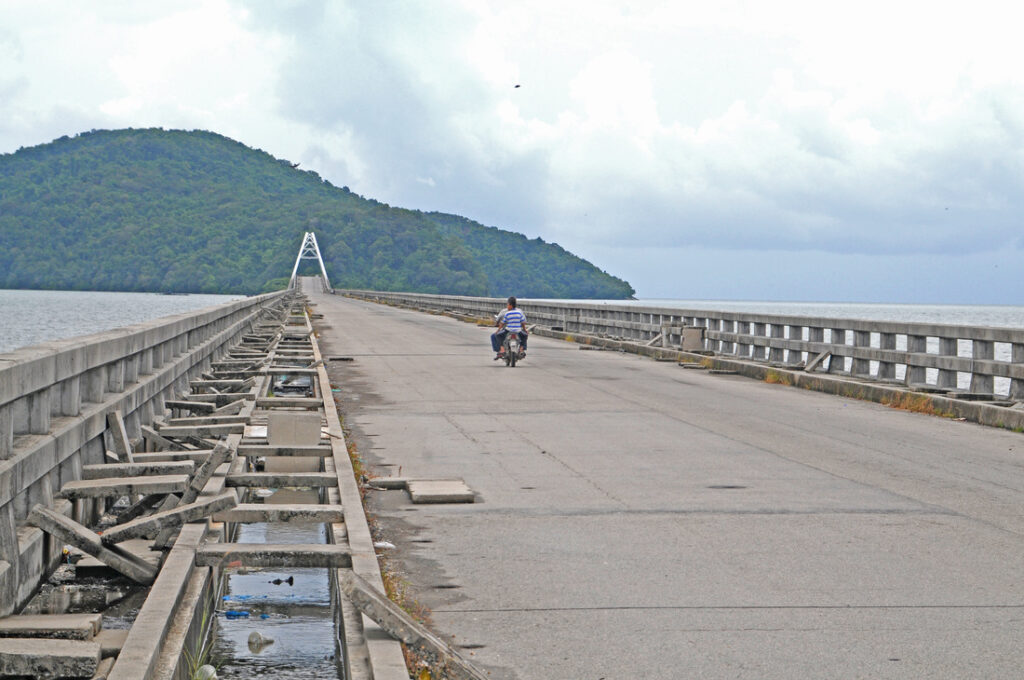
Known locally as the “White Elephant Bridge”, this impressive bridge was built in 2003/04 to connect the mainland with the uninhabited island of Pulau Bunting. For reasons that were never quite clear to us, it was never put into regular use.
It was certainly worth the drive along the single-track roads to see it. By the time of our visit, the gates had either been removed or had fallen into disrepair, and the bridge itself was beginning to show its age. Today it is used mainly by local fishermen on motorcycles, and care was needed when venturing towards the main span.
The surrounding area was also full of life, with birds and reptiles around the small rivers and padi-field waterways. Along the roads we found plenty of small hawker stalls selling rice, noodles and locally caught fish — another reminder that sometimes the most interesting parts of a journey are found well away from the main roads.
On to Kuala Perlis
Leaving the “White Elephant”, as the locals call the Pulau Bunting Bridge, we followed the K142 towards the coast, joining the coastal road at Kampung Sala and continuing to Kuala Perlis.
By now the heavy showers had turned into a persistent storm, and we splashed our way into Kuala Perlis search of our hotel. The T Hotel, conveniently situated opposite the Ro-Ro ferry terminal, was clean and adequate, with a rather gloomy but quite memorable rainy view across the sea.
Check-in was the usual routine — although once again I wondered why the people on reception duty sometimes seemed more interested in their handphones than the paying customers! 😂
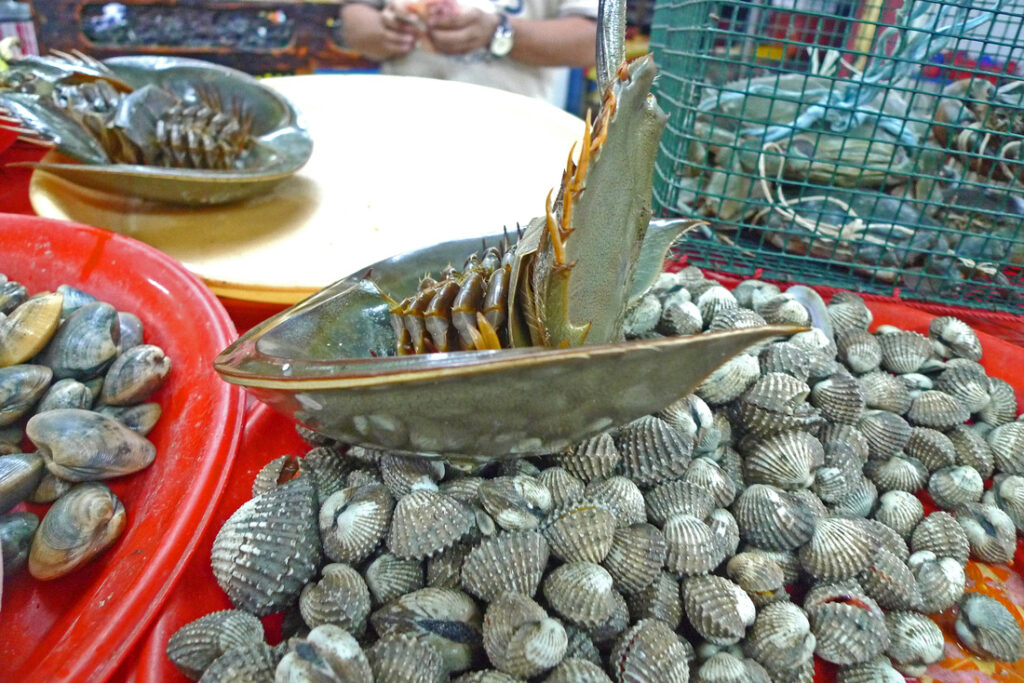
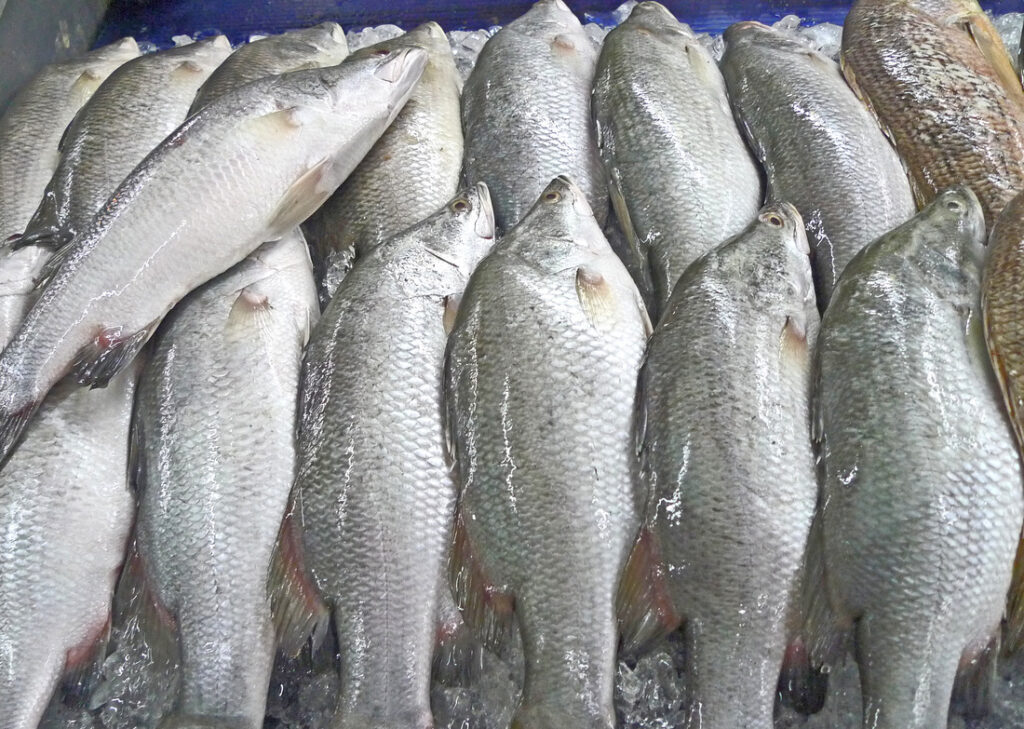
As we were travelling during Ramadan, many food outlets were closed until near the end of the fasting day. With the rain still coming down hard after dark, we headed for the nearby Fresh Fish Food Court. Despite the torrential rain, the place was busy with locals enjoying their evening meal after breaking the fast.
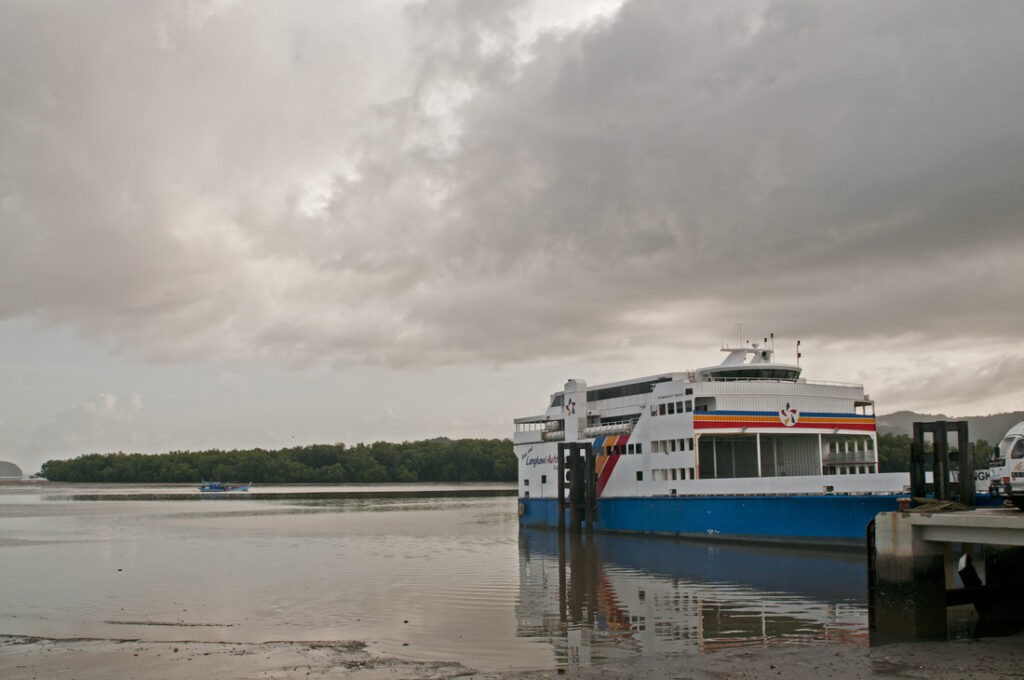
And so ended another memorable day on the road — rain, waterfalls, an abandoned bridge, good food and a few unexpected encounters along the way. Tomorrow, the journey would continue north.
Kuala Perlis — Heading North
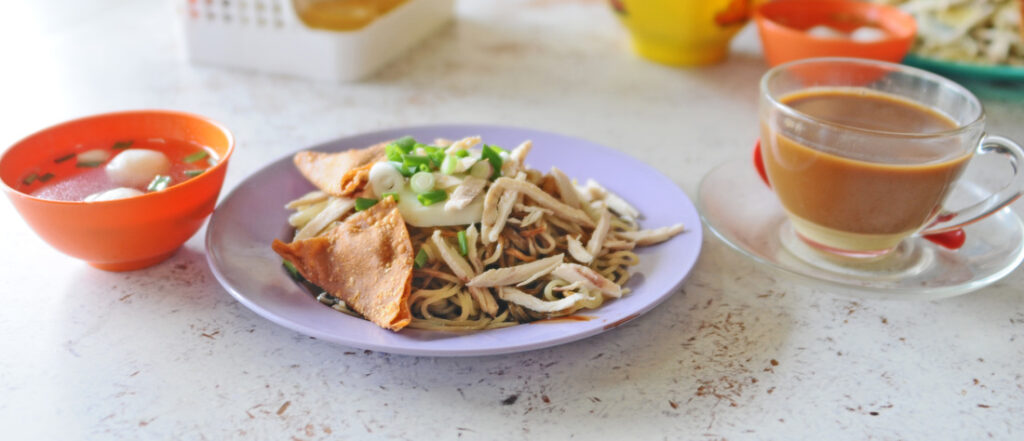
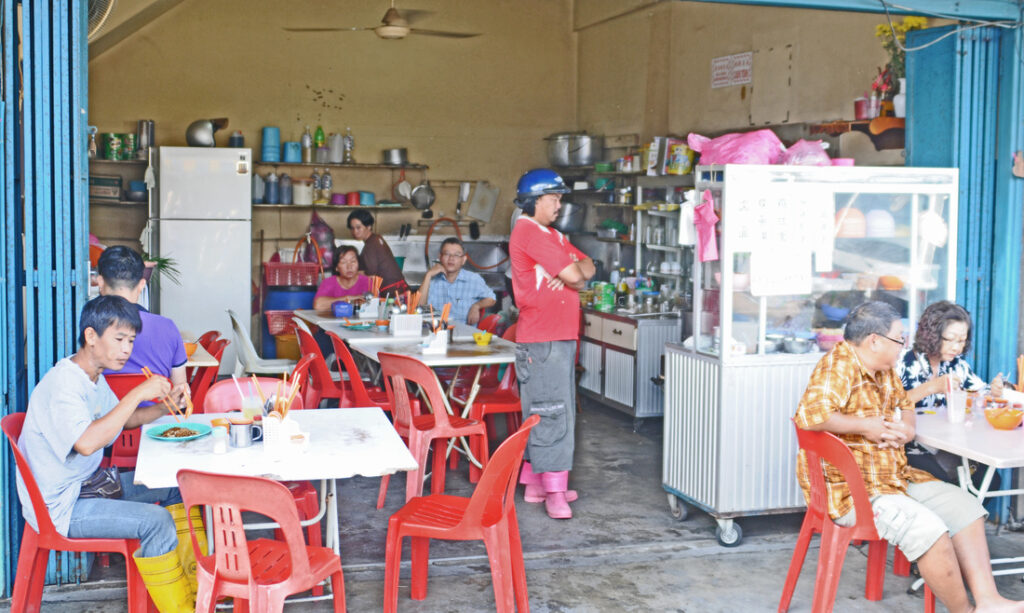
The morning was dry, although heavy clouds were already gathering on the horizon. After checking out of the hotel, the people on reception seemed more interested in their handphones than exchanging morning pleasantries! It was already 9am, so most breakfast places had closed, but we eventually found a small Chinese coffee shop.
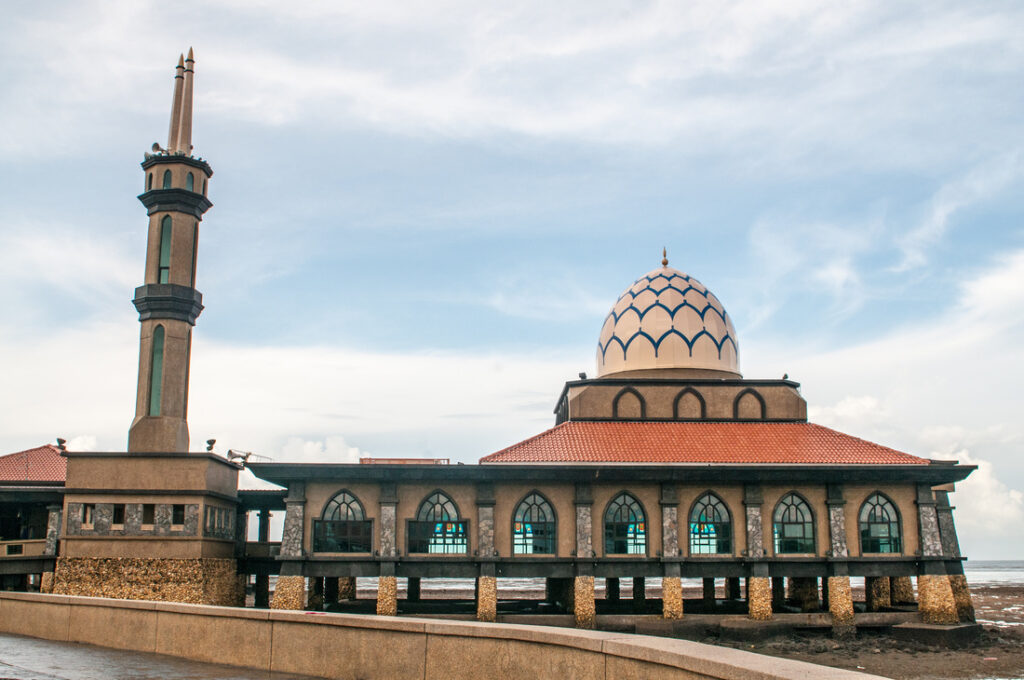
Wanton Mee made a perfectly good start to the morning. After a leisurely breakfast, we walked down to the beach and Masjid Al Hussain, before leaving Kuala Perlis and heading north.
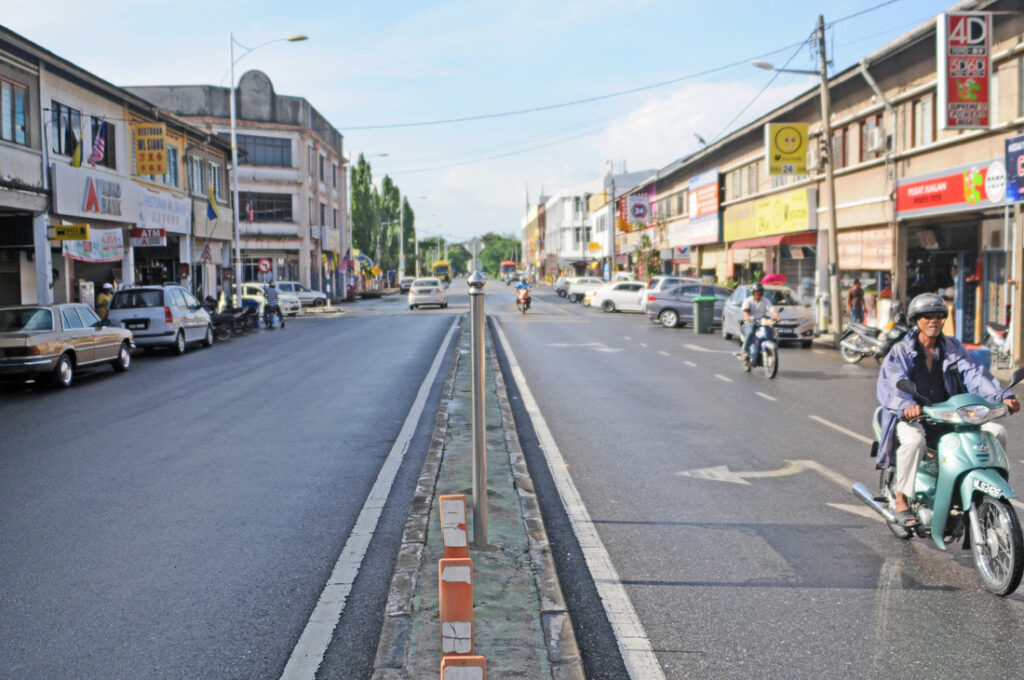
Leaving Kuala Perlis — Heading for Gua Kelam
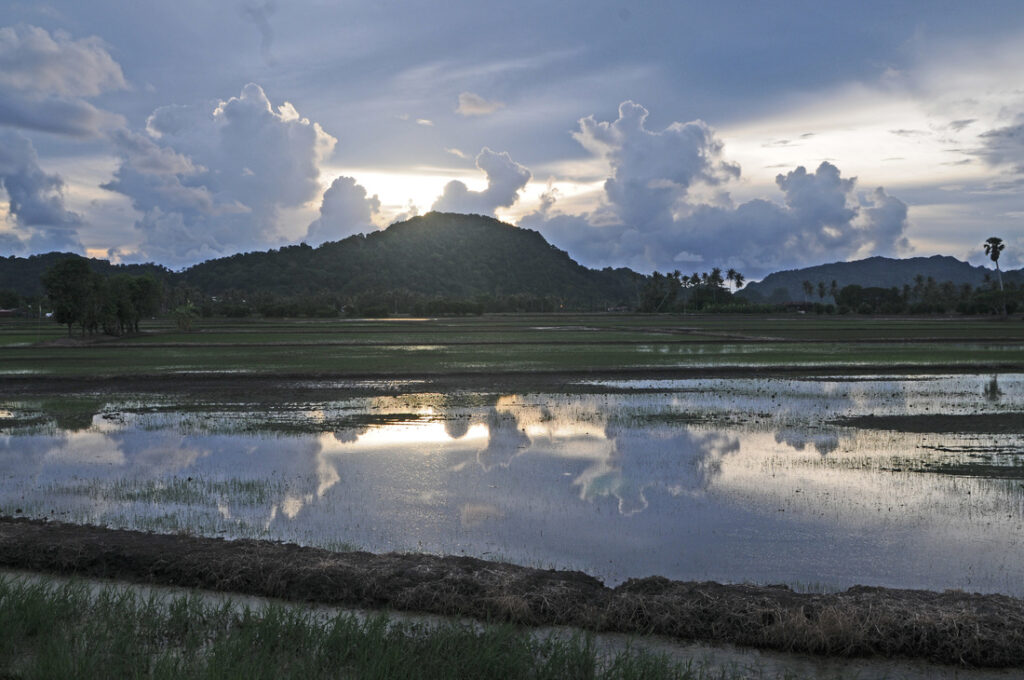
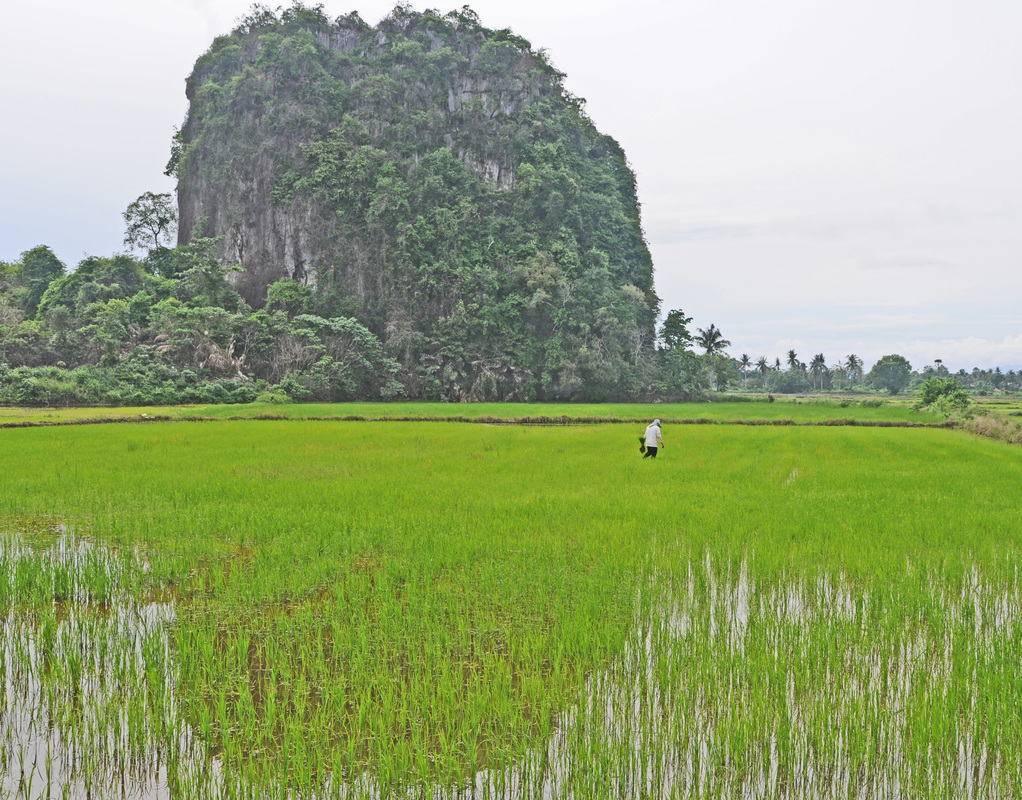
Leaving Kuala Perlis in bright sunshine, with heavy clouds gathering on the horizon, we took the local road towards Kangar, passing through miles of paddy fields. Around Chuping, the landscape changes dramatically, with some impressive limestone rock formations rising between the rice fields.
Leaving Padang Besar behind, we followed Route 7 in search of local road 1000 and a view of Bukit Mata Ayer. Unfortunately, barriers across the road brought that little expedition to an early end, so we turned back and continued towards Kaki Bukit and the Gua Kelam Recreational Park.
Kaki Bukit has an interesting history as an old mining area, with a mixture of traditional Chinese, Malay and Indian houses. From here, a small road leads to Gua Kelam, only a few kilometres away.
The cave itself is reached by a well-maintained elevated walkway, running for about a kilometre through the limestone. For a modest RM1 admission, it is a fascinating little adventure. The small river flows beneath the walkway, while stalactites, stalagmites, rock formations and small cascades appear along the route. Some of the formations have inevitably suffered damage from the area’s former mining activities.
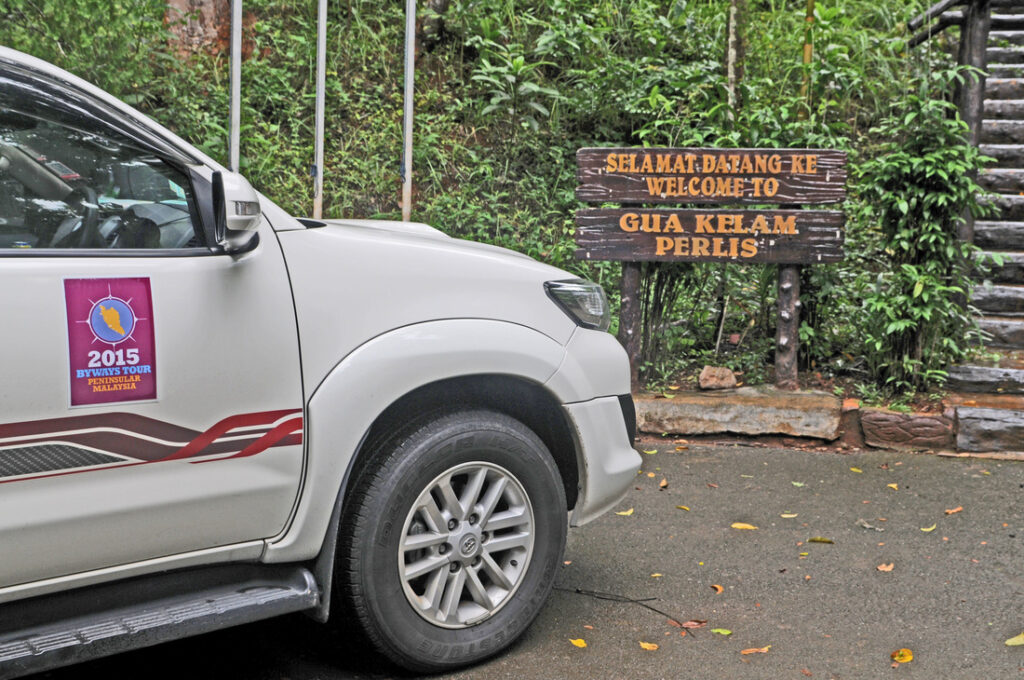
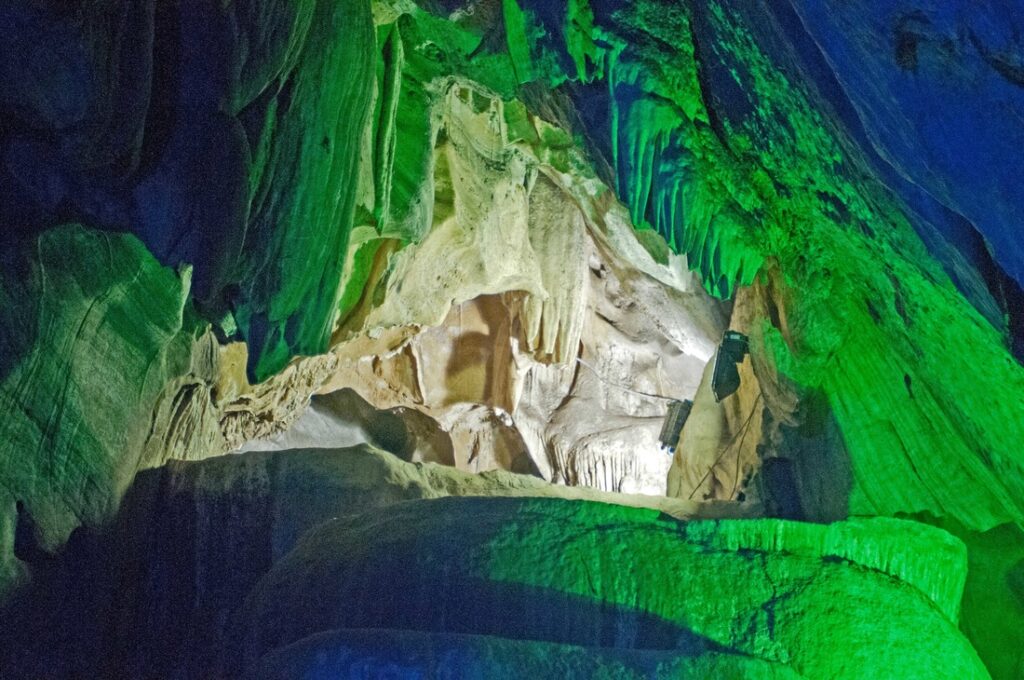
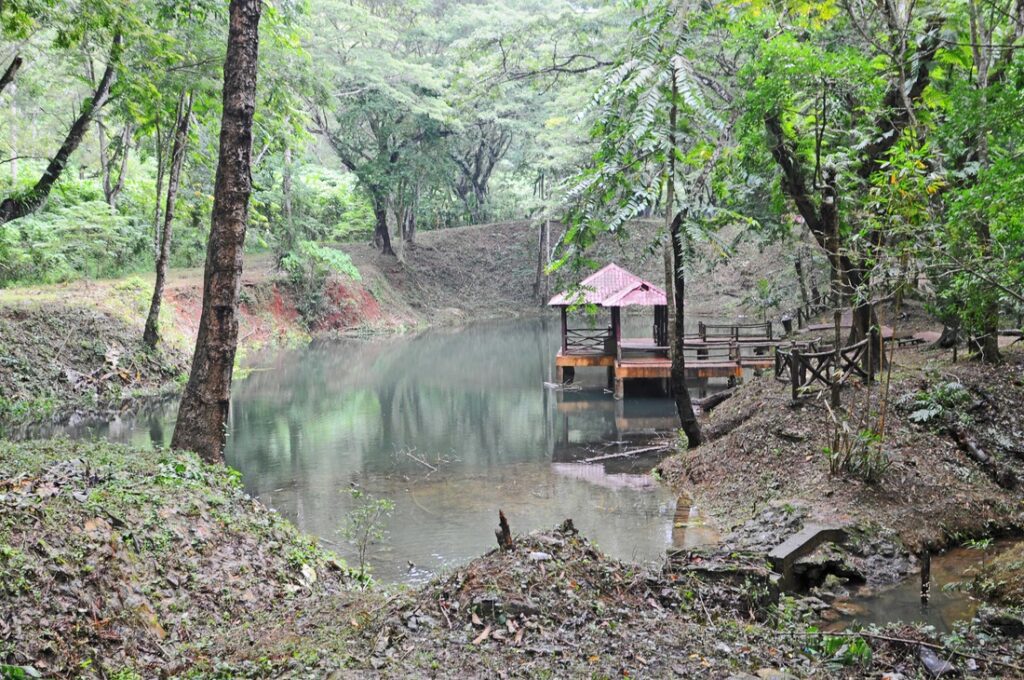
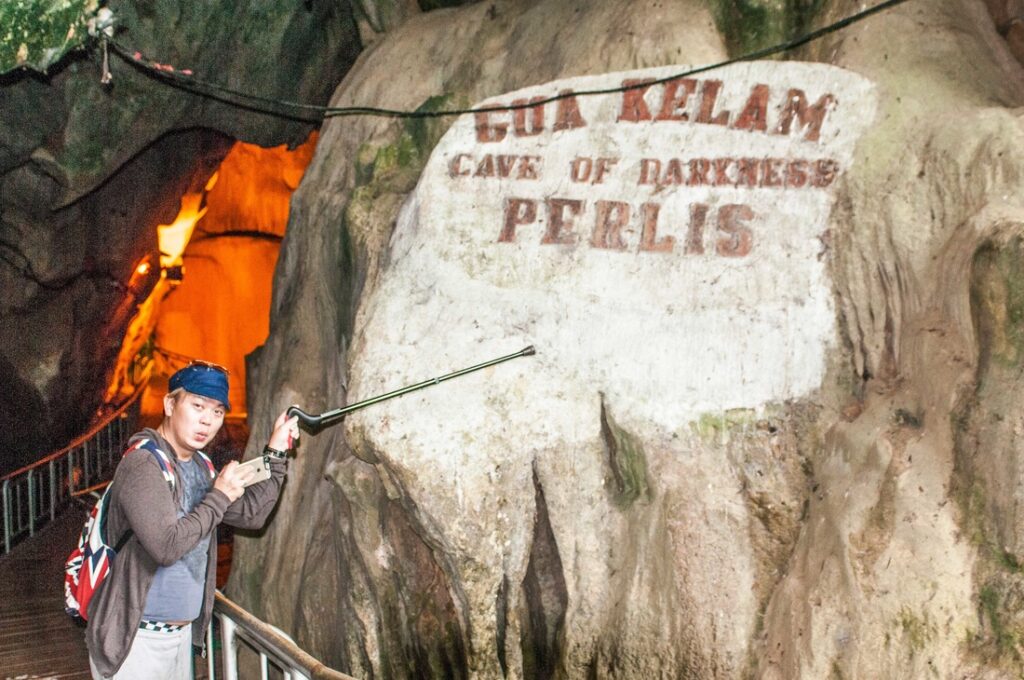
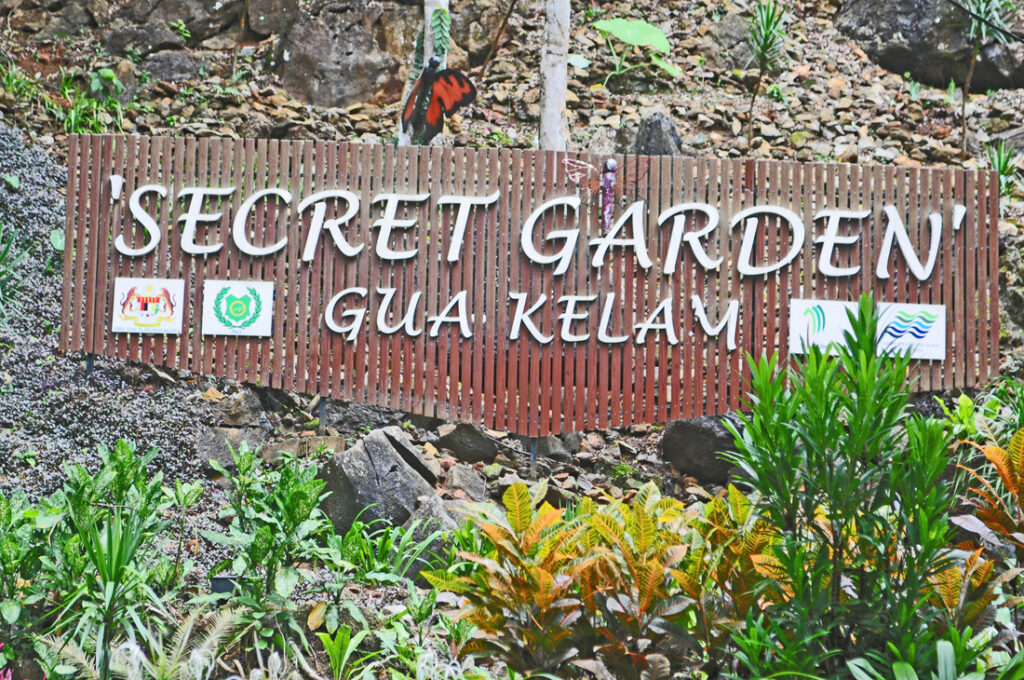
Emerging from the cave, the route opens into a large forested recreational area. The river continues to wind through the trees, with covered seating areas, picnic spots and well-maintained pathways. Distance markers along the trails are a particularly useful touch.
Gua Kelam proved to be well worth the detour — a fascinating combination of old mining history, caves, forest and running water.
Leaving Gua Kelam — Tasoh Lake and Arau
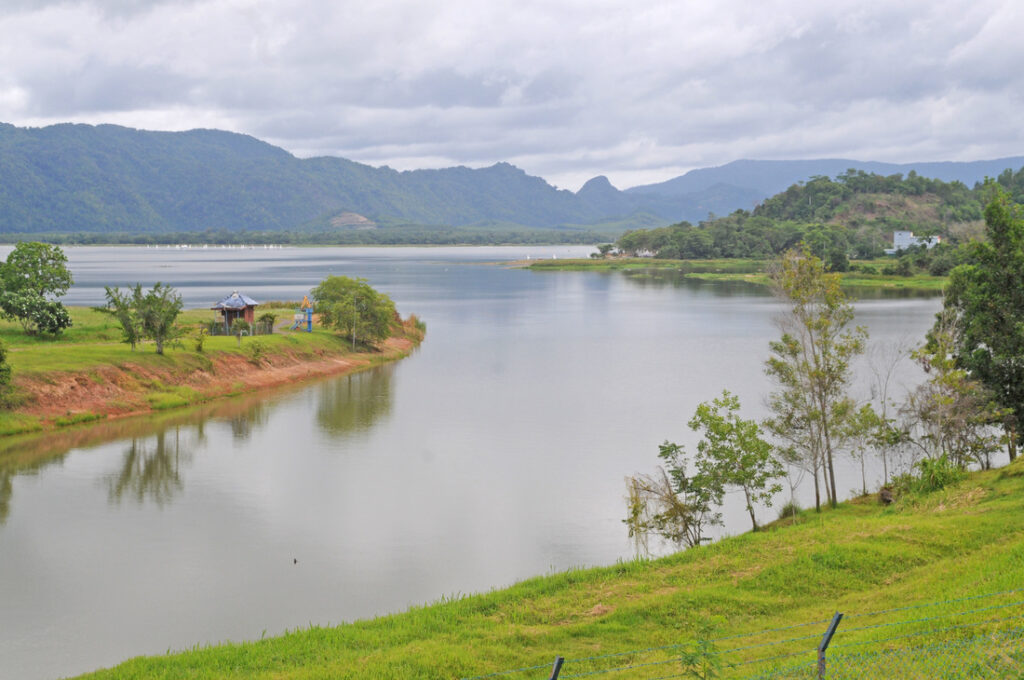
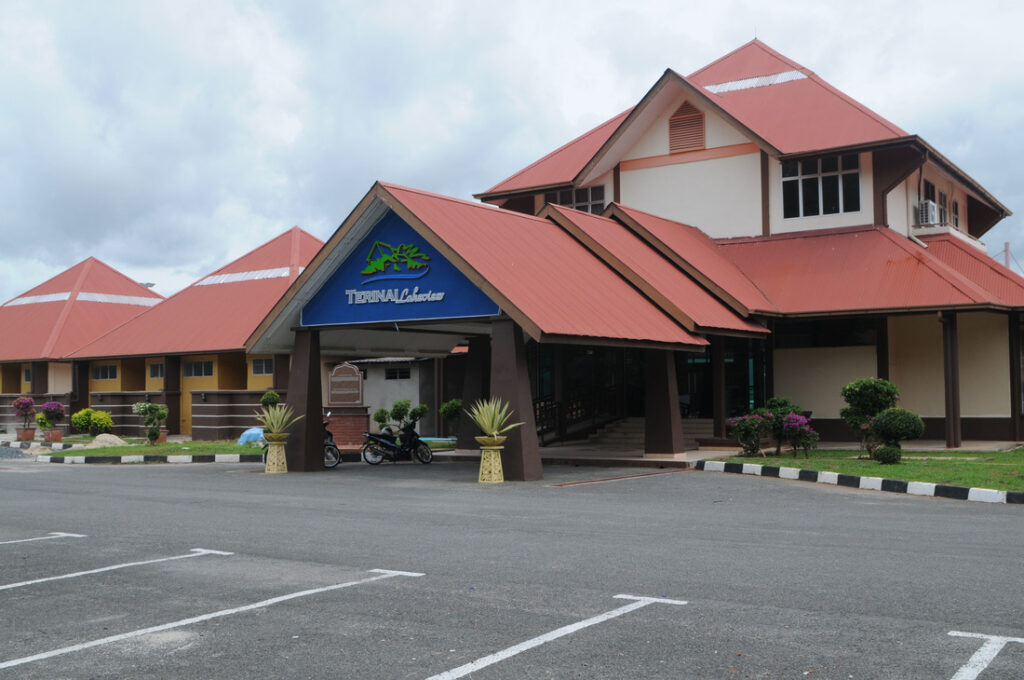
By the time we left Gua Kelam, the rain had returned. We followed Route 7 towards Kampung Tasoh and Tasoh Lake Resort. Once again, our car seemed to be the only one in the car park, with the food outlets closed and everyone waiting for the end of the fasting day.
From Tasoh we continued south on Route 7, then Route 9, towards Arau, the Royal Town of Perlis and our home for the next two nights.
Arau is a small town with a rather grand claim to fame. It is home to the Royal Palace, Royal Mosque and Royal Museum, and the town’s royal connection is evident around the centre. We had hoped to photograph the palace and mosque after dark, but unfortunately that didn’t work out.
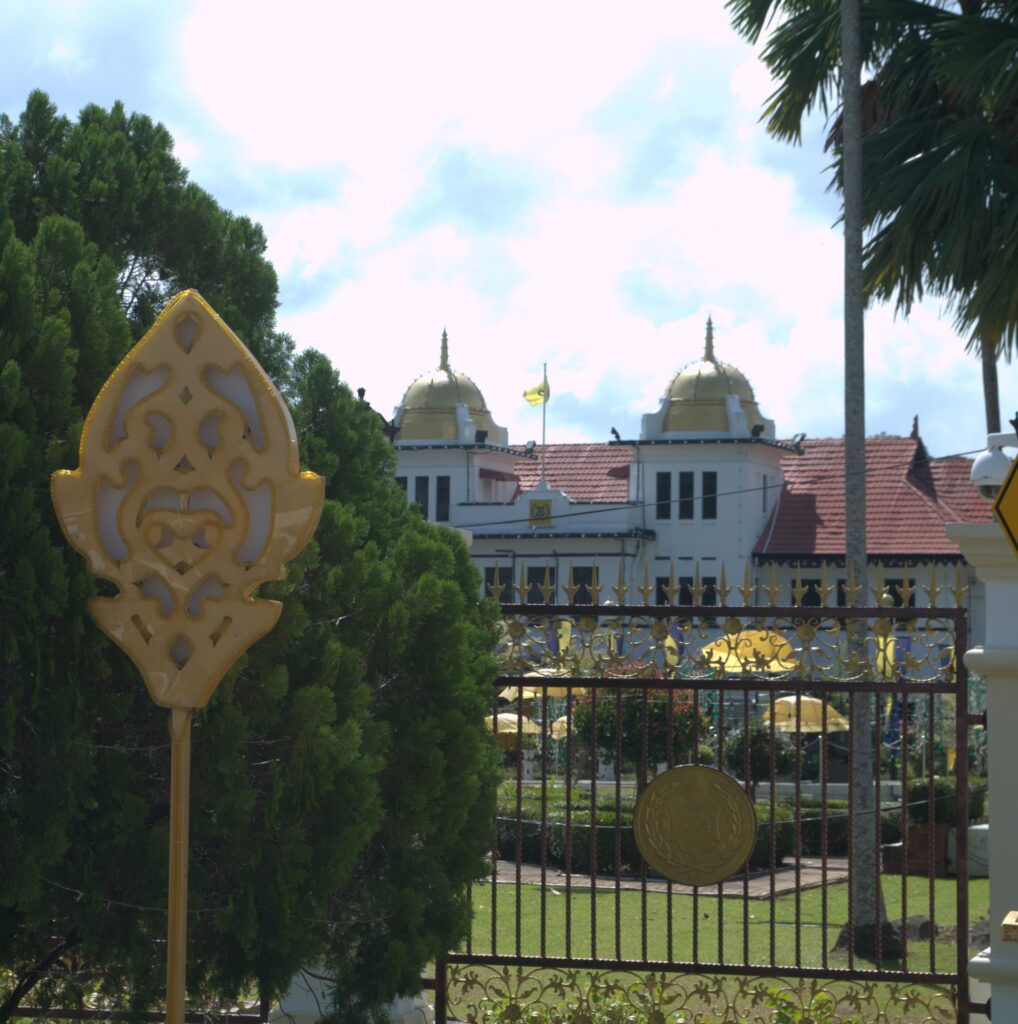
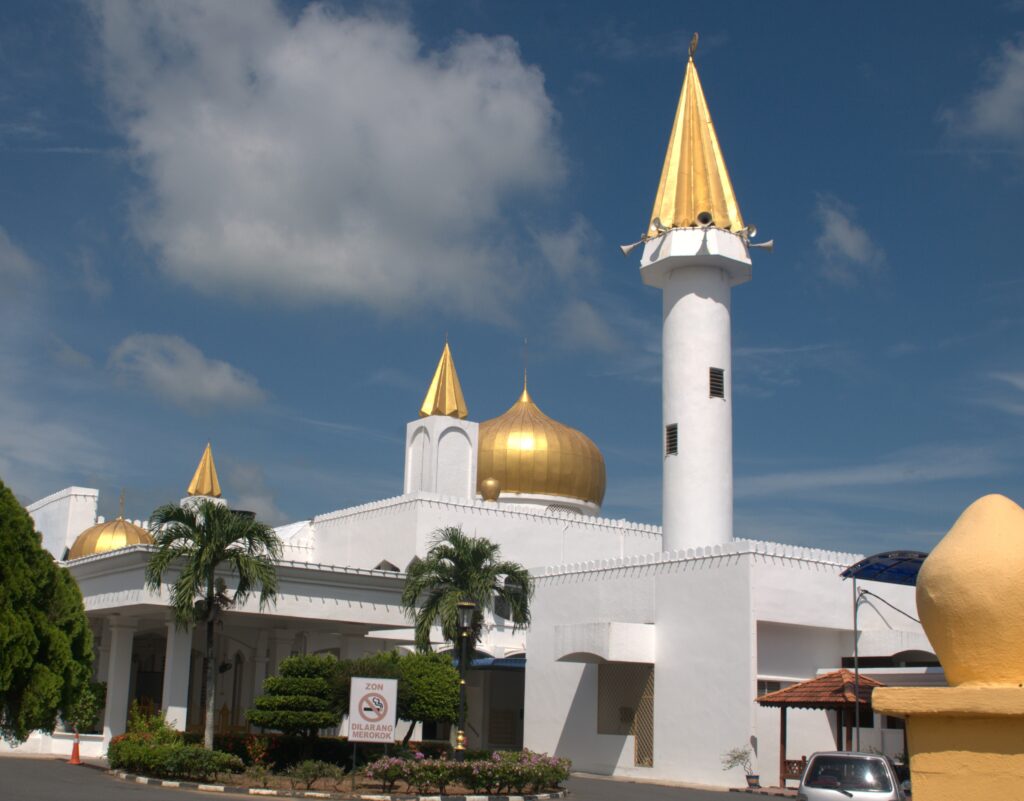
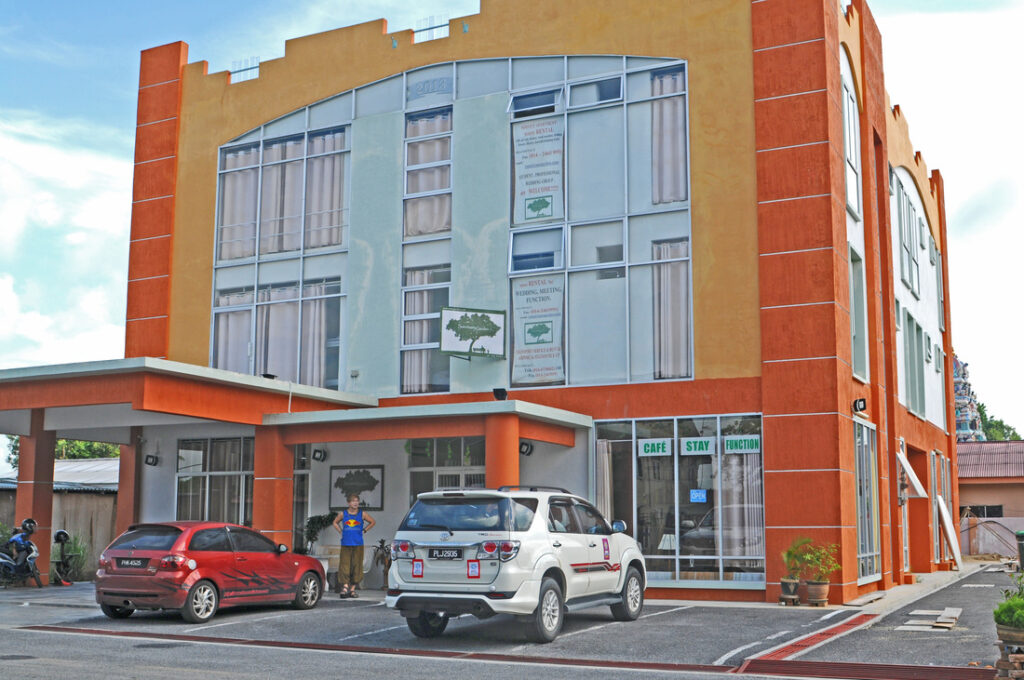
Our base was the Sanctuary Garden Hotel in Jalan Pauh. It was a modern, comfortable hotel with a surprisingly homely atmosphere. The reception and lounge areas were spacious, with plenty of places to sit, a small library and walls decorated with nostalgic photographs and pictures.
The Final Day — Wang Kelian and Northern Perlis
After a night of rain, the morning was bright and clear. Breakfast at the Sanctuary Garden Hotel was quiet, with most of the other guests having left very early.
Our departure was a little later, as we planned a drive towards Wang Kelian via Kangar, with hopes of visiting the vineyards and the Reptile & Snake Farm.
Leaving Arau for Kangar via the R11, we found it to be a pleasant, quiet road, with many fine views towards the mountains and Bukit Perlis. Unfortunately, our plans for visiting some of the attractions were to prove rather disappointing. The vineyard appeared to have been abandoned, the Snake and Reptile Farm seemed firmly closed, and numerous other ventures — homestays, retreats and forest resorts all the way towards Bukit Ayer — also appeared to have been abandoned.
It seemed such a shame to see so many good ideas slowly being reclaimed by the jungle. Buildings, chalets, roads and pathways were disappearing beneath the vegetation, giving the whole area a rather sad, forgotten feeling.
Come on, Perlis Tourist Office — let’s get these ventures back on the tourist trail! This is a lovely area with plenty of potential, and it deserves another chance.
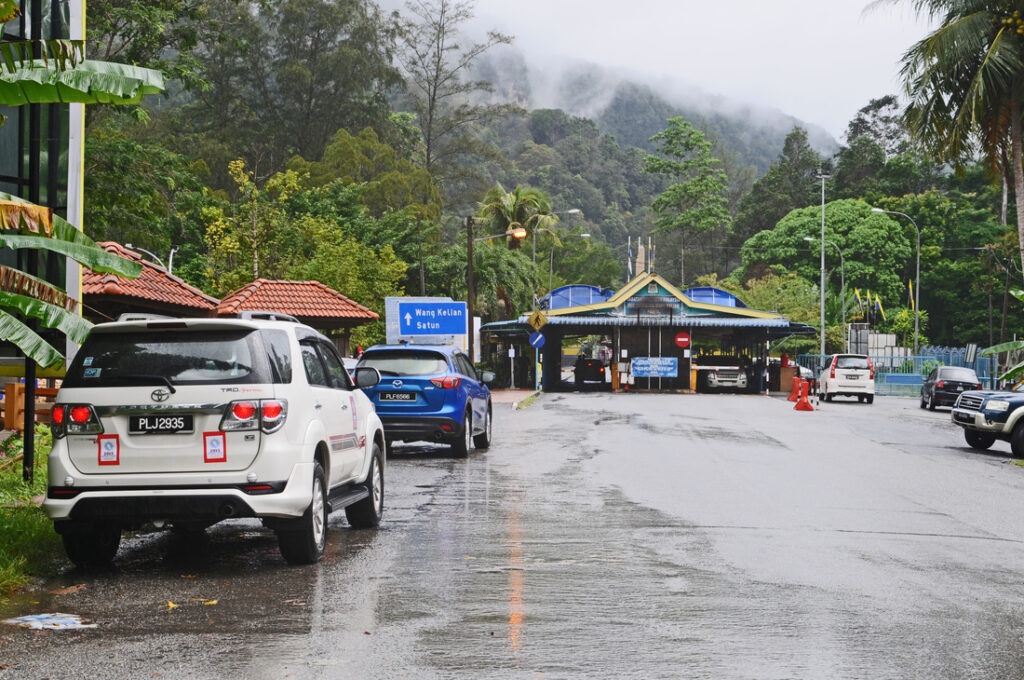
After retracing our route on the R11, we turned onto the R121 towards Kampung Tasoh, then right towards Wang Tangga and the mountain road through the thick rainforest to the Thailand border crossing at Wang Kelian.
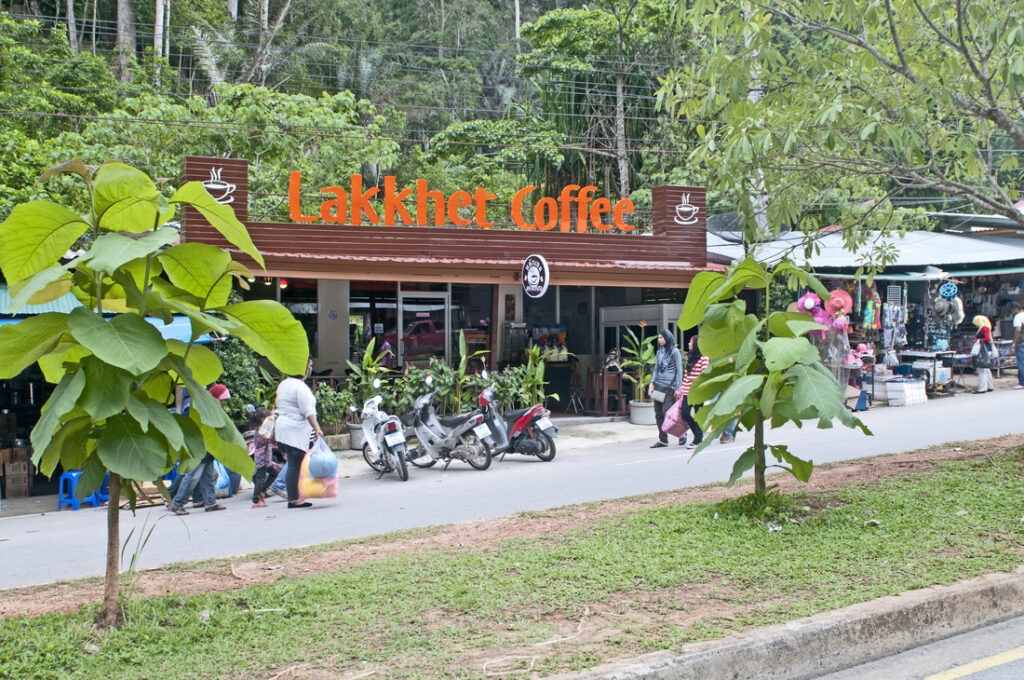
The border post itself is relatively small but surprisingly busy. On the Thai side there is a Sunday market, while on the Malaysian side there is a duty-free outlet and a smaller market.
It makes for an interesting place to spend an hour or so, browsing the stalls, shopping and sampling a mixture of Thai and Malaysian food.
Chuping Sugar Plantation
Leaving Wang Kelian behind, we took the R7 eastwards, then followed local roads towards the Chuping Sugar Factory. It was easy enough to find, taking the R16 and then the right fork onto the R1002 towards the sugar production area.
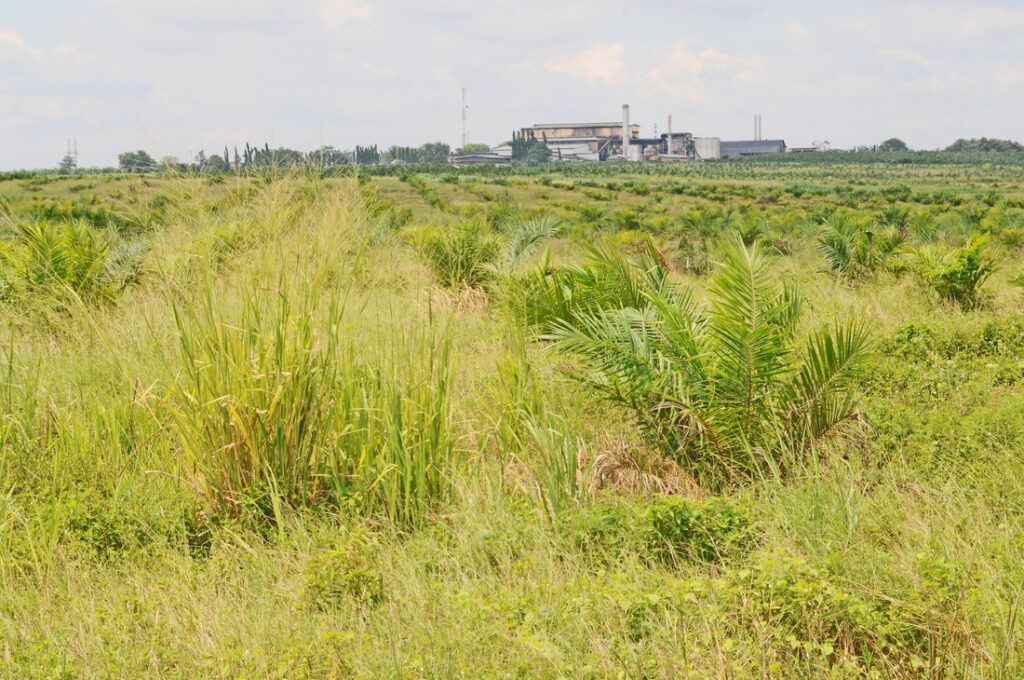
On reaching the factory, there wasn’t much happening. A man on a tractor stopped and told us that the factory was almost closed and that there was very little sugar cane around now, with only a few small farms remaining. I’m not sure how accurate that was, but the area certainly seemed very quiet.
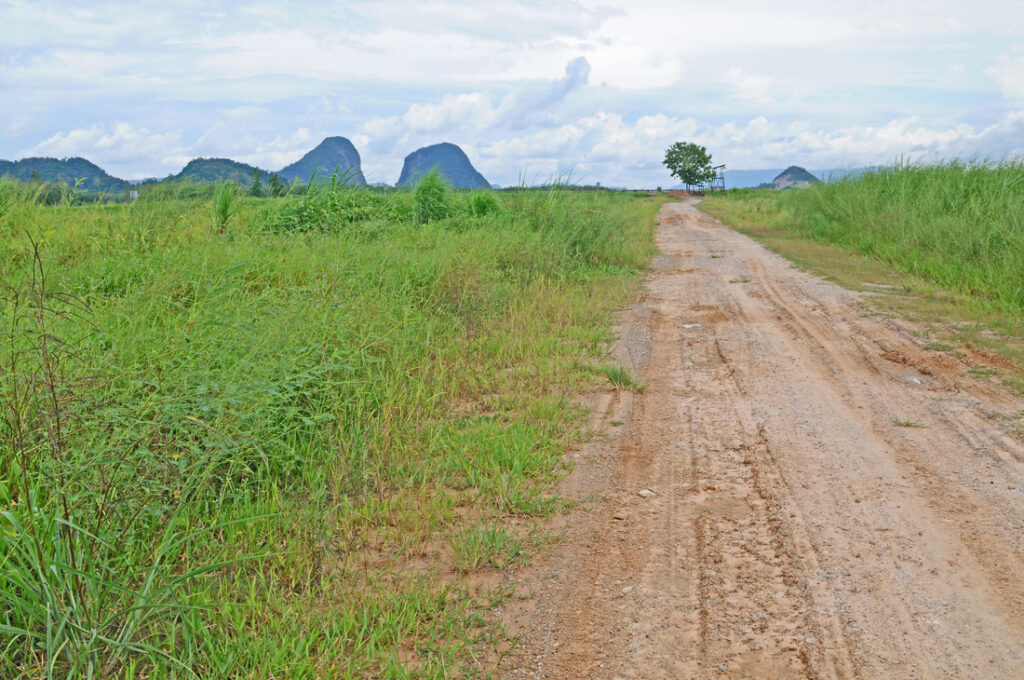
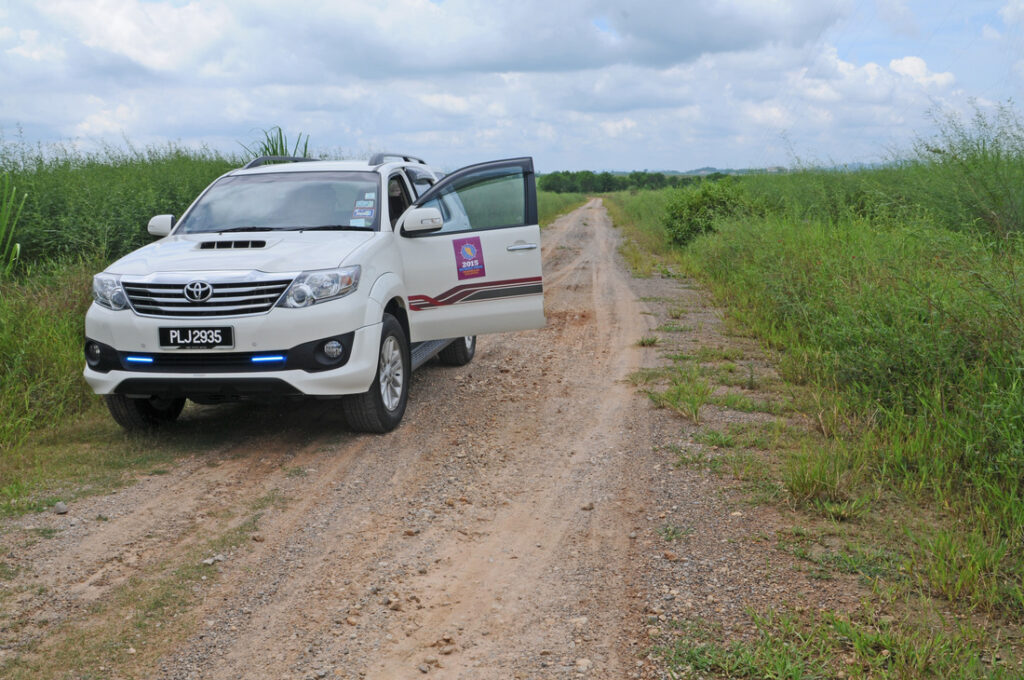
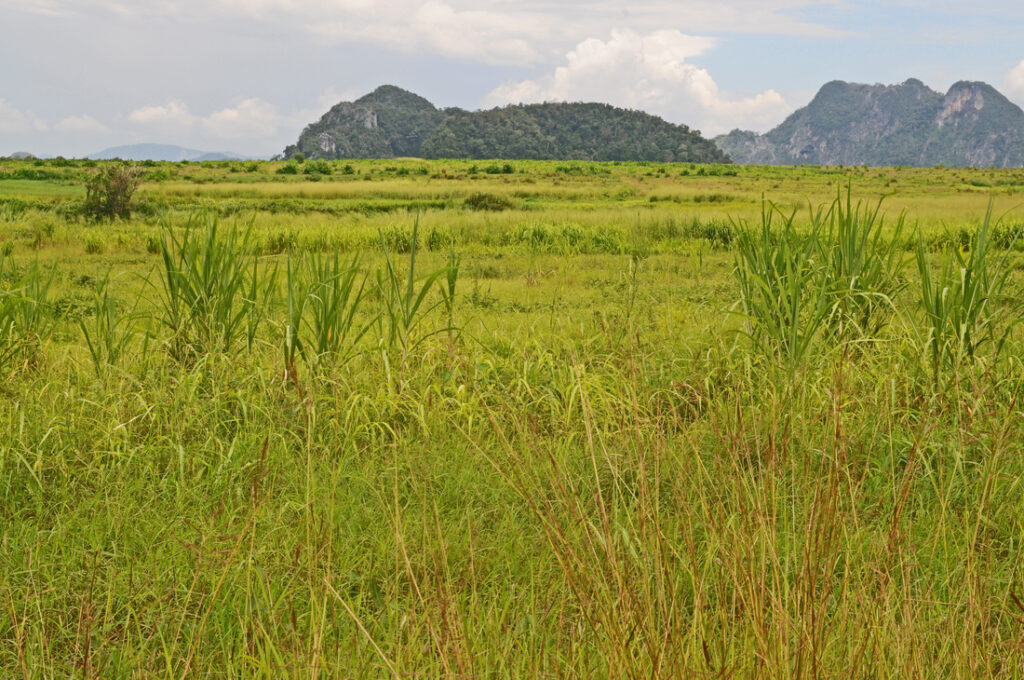
We decided to explore anyway and took an unsurfaced track in search of some sugar cane. The single-track road seemed to go for kilometres into the middle of nowhere, but we did find remnants of the old plantation, with some sugar cane still growing wild in an otherwise rather empty landscape.
After about half an hour we reached a gate that looked as though it was almost falling over. We decided that going any further might mean wandering onto private land, so we turned around and headed back towards the factory, which was visible in the distance.
It turned out to be a rather enjoyable little bit of off-road driving — not quite the plantation visit we’d planned, but an adventure nonetheless.
Once back on the surfaced road, we headed towards Arau. A nice warm shower, a little rest and some thought about dinner seemed like the next sensible plan…
The Journey Home — and Looking Back
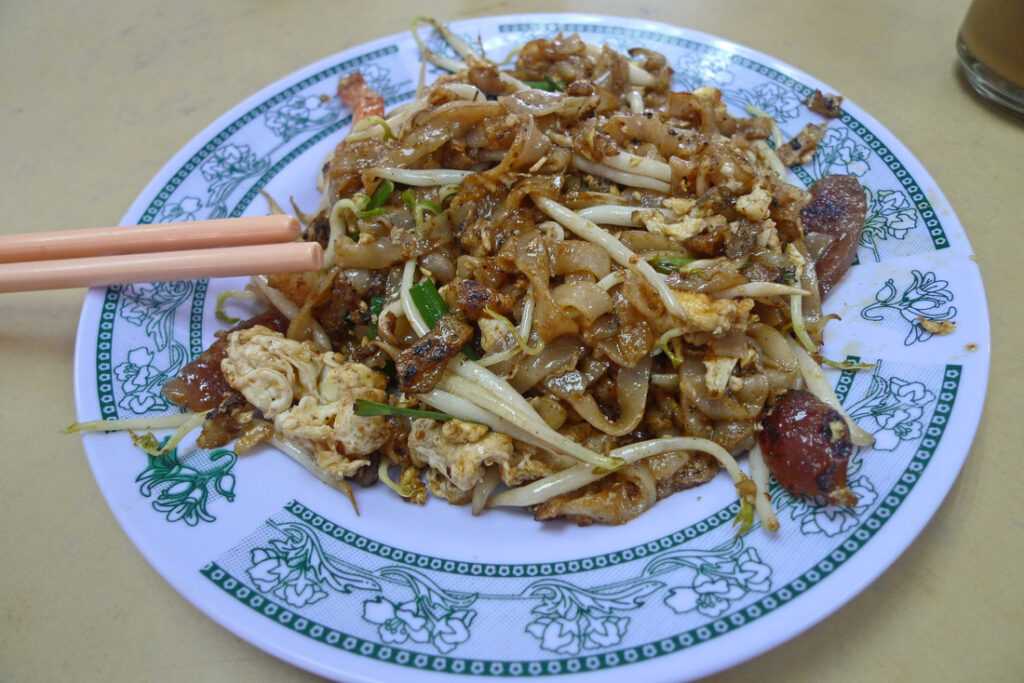
Dinner that evening had to wait until the day’s fasting had finished. A very busy shopping area, just a few minutes from the Sanctuary Garden Hotel, provided the venue. A hearty local Char Kwah Teow was enjoyed, washed down with Assam Boi.
Another good night’s sleep at the Sanctuary Garden was followed by another pleasant breakfast. We packed our things, said farewell to the friendly staff and headed home.
I can recommend this small hotel. The staff were attentive, the rooms clean and airy, and although the food was basic with a limited choice, it was very good. Its location also makes it a useful base for exploring the attractions and scenery of this northernmost state of Perlis.
Leaving Arau behind, we followed the K3 and K5, running roughly parallel with the North–South Express way, and eventually arrived back in Penang.
Looking back, our visit to Perlis was a success, although the weather and the timing of our trip during Ramadan meant that we weren’t able to experience as much of the local food and attractions as we’d hoped. On our next visit, we’ll try to avoid the Holy Month of Ramadan.
Perlis is a wonderful little state, and it was a shame to find so many potentially interesting places seemingly having slipped from the tourist trail. I hope the Malaysian tourism authorities will give Perlis more promotion — it certainly deserves it.
And, as soon as we arrived back in Penang, I was already thinking about the next state to visit.